Board and staff

Board, staff, and advisory council.

The board is responsible for strategy and oversight, while the Executive Director manages day-to-day operations. The advisory council (fagráð) acts as an advisory body, reviewing publications and analysis of the system. This page describes the three governance units.

The board

How the board is elected.

The board consists of 11 members: five in open seats and up to six nominated by the youth wings of political parties holding seats in Alþingi (the Icelandic parliament). The open seats have been filled by the annual general meeting; the admission process for the youth wings is in progress. New board members will be introduced here as nominations are confirmed.

5 open seats

Expertise and stability

Elected by the annual general meeting. Individuals and representatives of organizations working on children's issues can stand for election. The aim is to keep deep professional knowledge and experience permanently on the board, regardless of the political currents of the day.

Up to 6 nominated seats

A forum for future politicians

Nominated by the youth wings of parties with seats in Alþingi that have joined the organization. This secures cross-party collaboration and builds knowledge of the field among young people in politics.

Alternates

Continuity of operations

General alternates from the open seats stand in for general board members. Nominated alternates only stand in for representatives of their own party, so that no party ever has two representatives at the same board meeting. Alternates step in when needed.

Open seats

Members in open seats.

Members in open seats, elected by the annual general meeting.

Board members

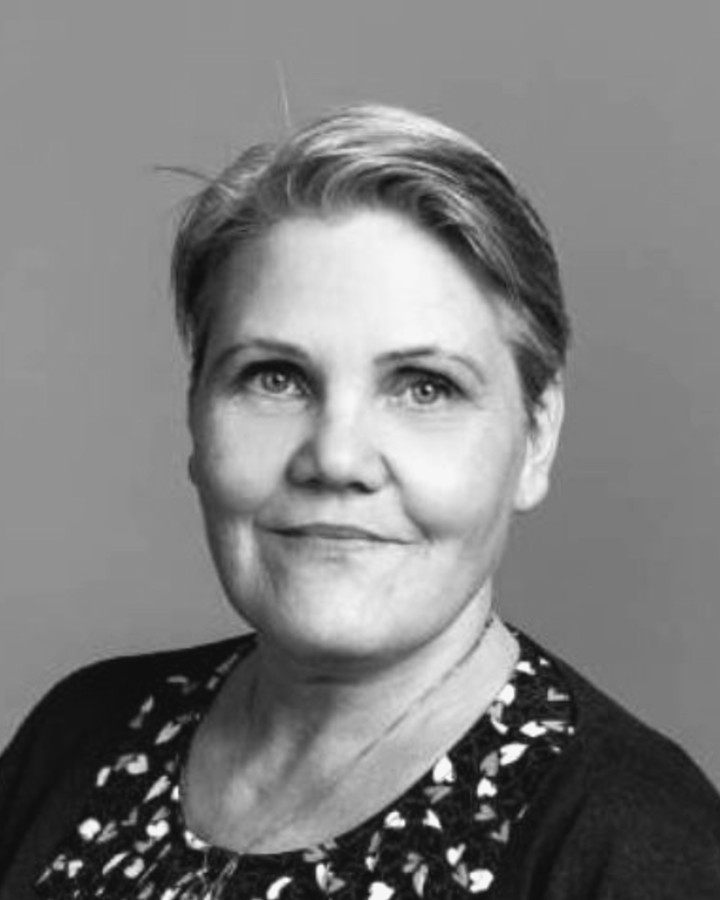
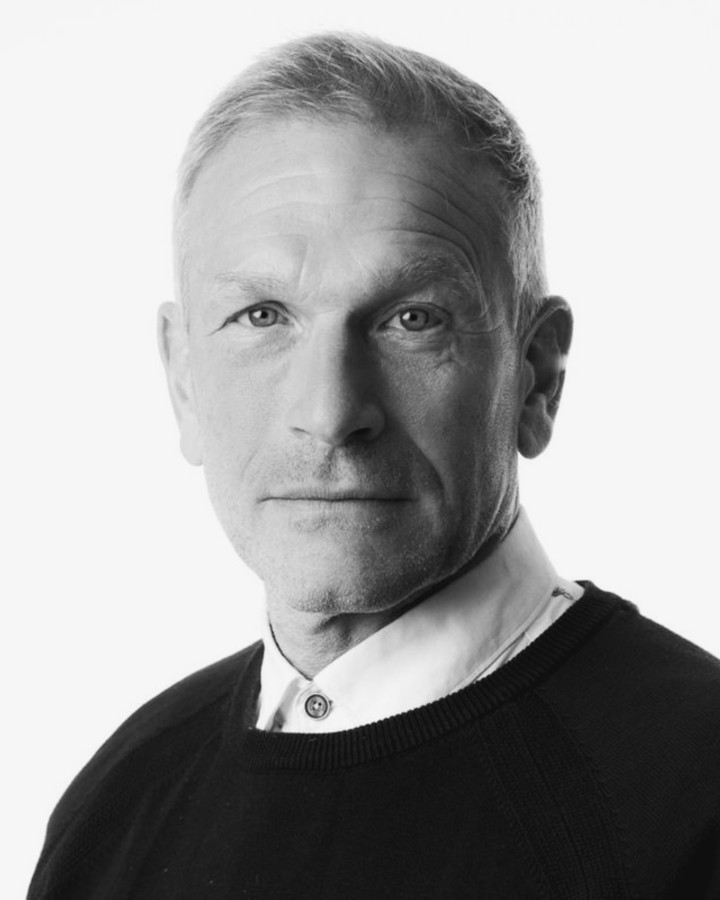
Photo of Pétur Guðmundur Broddason

Pétur Guðmundur Broddason

Chair of the board

Pétur Guðmundur Broddason holds a BA in psychology and a diploma in child well-being (farsæld barna). As a current well-being case manager (málstjóri farsældar) at the City of Reykjavík, he knows first-hand how the new Child Well-being Act works in practice. Before that, he ran — with full financial and professional responsibility — the residential treatment home at Laugaland in Eyjafjarðarsveit for 14 years, operating under the oversight of Barnaverndarstofa (the national child-protection agency at the time). Laugaland housed girls aged 13 to 18 facing complex difficulties. He has extensive experience implementing evidence-based treatments and working with all the main institutions of the child protection system. His clear goal is to use that knowledge to identify the system's flaws, make it more effective, and shorten the waiting lists children face for services.
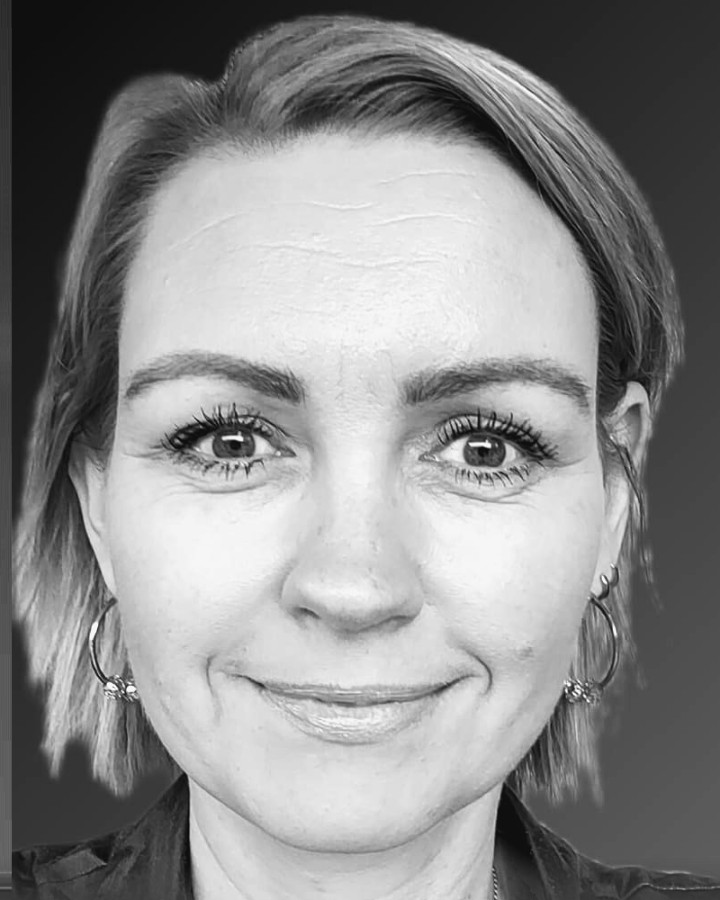
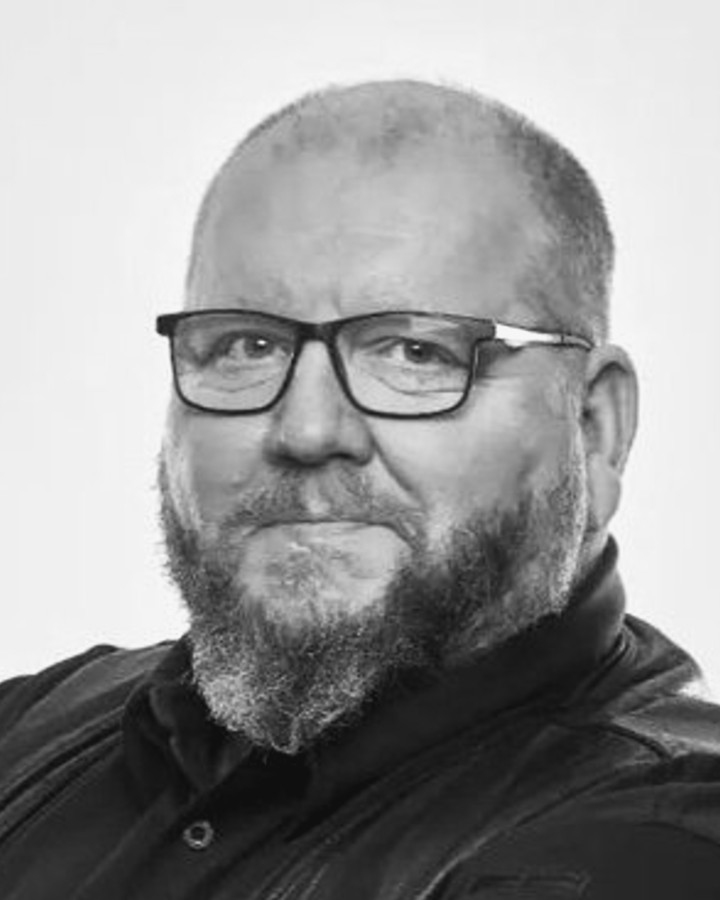
Photo of Lilja Björk Guðrúnardóttir

Lilja Björk Guðrúnardóttir

Board member

Lilja Björk Guðrúnardóttir is a social worker and also holds a diploma in alcohol and substance abuse issues (2025). Today she leads the treatment team at the child protection services of Kópavogur and sits on the service's management team, with nine years of experience in the Icelandic child protection system — first at Barnavernd Reykjavíkur (Reykjavík Child Protection) and, since 2021, in Kópavogur. The issues closest to her heart are adolescents engaging in risk behavior, an area she has worked on extensively within child protection. In that work she has supported the adolescents themselves and their families, working closely with the services available to them. She has seen the lack of options up close — its impact on adolescents and their families, and how the system has often proven more of an obstacle than the support it is meant to be. That experience is what brings her to the HÆ board.

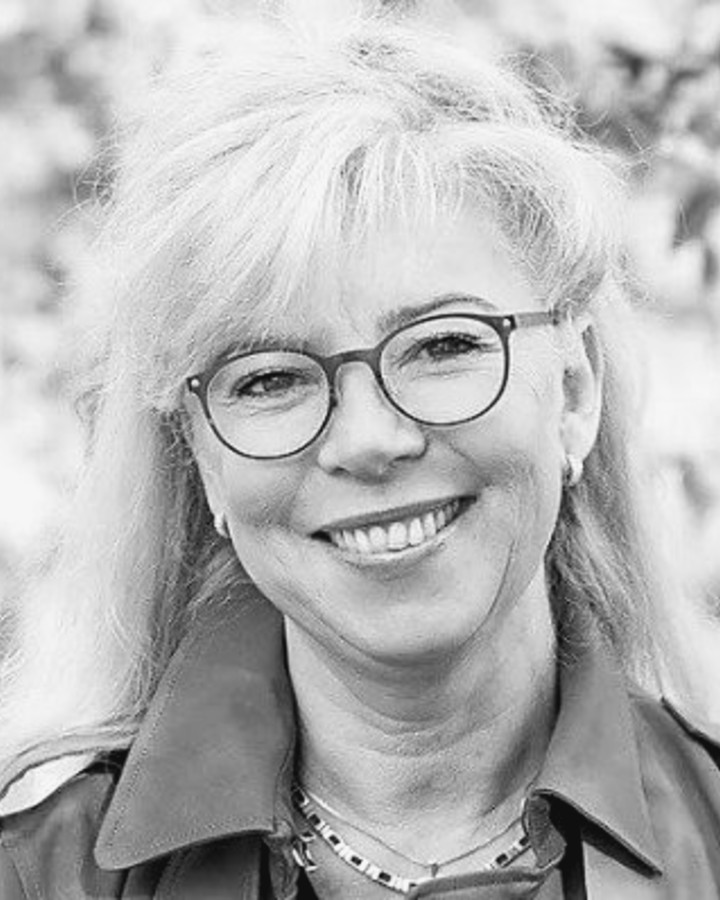
Photo of Sigrún Sigurðardóttir

Sigrún Sigurðardóttir

Board member

Sigrún Sigurðardóttir was born and raised in Ísafjörður and holds a doctorate in nursing. Today she is an associate professor at the School of Health Sciences of the University of Akureyri, where her research focuses on how violence in childhood affects health and life in adulthood; she has also designed and overseen master's-level courses on psychological trauma, violence, and trauma-informed care. Earlier in her career she worked as a police officer, a nurse, assistant rector of the Icelandic Film School, and a yoga teacher. Sigrún has been involved with a range of organizations — as founder, board or council member, or collaborator — including Gæfuspor (an interdisciplinary treatment service for survivors of childhood violence), the Research Center Against Violence at the University of Akureyri, Bergið headspace (a service for young people), Bjarmahlíð (a center for survivors of violence), Múrar brotnir (art and recovery work for prisoners), and the cancer society Sigurvon in Ísafjörður. It is this knowledge of the consequences of childhood trauma and violence that she brings to the HÆ board.

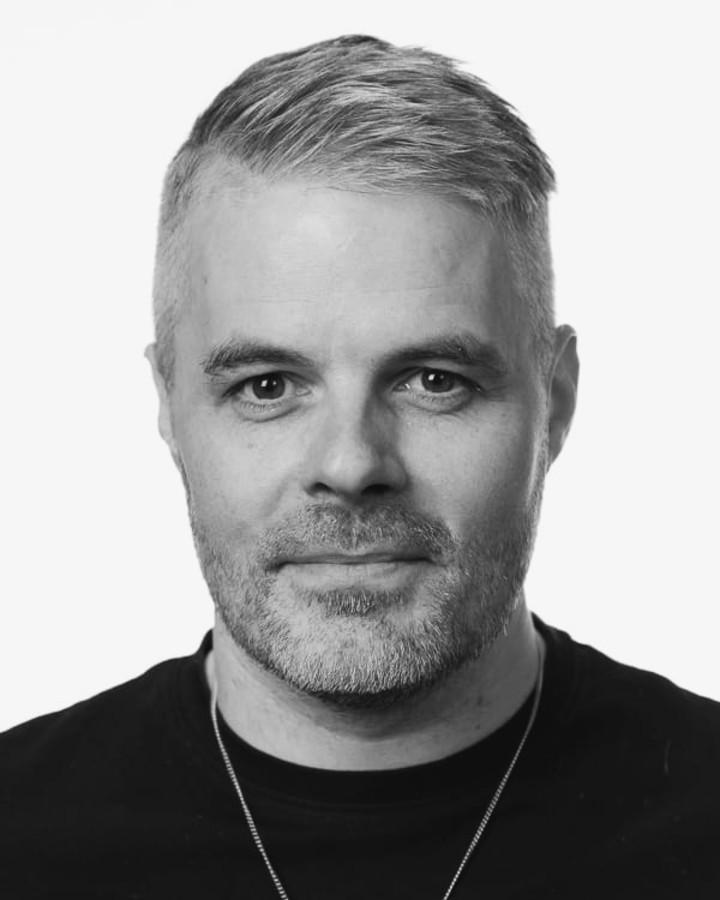
Photo of Guðmundur Fylkisson

Guðmundur Fylkisson

Board member

Guðmundur Fylkisson is a police officer who has specialized in finding missing children for over 11 years, with 40 years of service in the police. He was named Person of the Year 2025 by the readers of Smartland, the listeners of Rás 2, and the newsroom of Stöð 2 and Sýn. He received that recognition for his tireless work on behalf of missing children, and for drawing attention to the situation of children with complex needs and addiction. In 2025, the number of search requests he handled approached 400 — more than ever before. Guðmundur has also served on the board of Bergið headspace, a low-threshold, free counseling service for young people, all the way back to its founding committee. Through his work he has seen first-hand the flaws in how the school system, the healthcare system, child protection, and social services interact — and the walls between them that need to be torn down. He has spoken plainly about the need to stop writing reports and start acting, because when society's most vulnerable fall between systems, the consequences can be irreversible and fatal. That is the experience he brings to the HÆ board.

Photo of Berglind Gunnarsdóttir

Berglind Gunnarsdóttir

Board member

Berglind Gunnarsdóttir Strandberg completed a Cand.Pæd.Psych. degree from Danmarks Pædagogiske Universitet in 2006, along with a diploma in cognitive behavioral therapy. Since the start of 2019 she has been Executive Director of Foreldrahús. Before that she was board chair of Vímulaus æska–Foreldrahús from 2015 to 2018, and worked as a mediator and specialist in children's affairs at the office of the District Commissioner of the capital area (Sýslumaðurinn á höfuðborgarsvæðinu) from 2016 to 2018. Berglind has years of experience working with children and adolescents of school age facing personal or social difficulties, and advising and supporting parents and professionals. It is this experience of direct work with children, young people, and their families that she brings to the HÆ board.

General alternates

General alternates stand in for general board members when needed.

Photo of Anton Stefánsson

Anton Stefánsson

Alternate

Anton Stefánsson grew up in Djúpivogur and comes to the work with the experience of a parent who has had to seek services and support from a range of institutions. Through that experience he has seen first-hand how the system can genuinely help people — and also how complicated and heavy it can become when cooperation and the flow of information between parties fall short. He cares especially about individuals and families getting support earlier, about simpler access to services, and about institutions working better together. Anton believes the experience of people who go through the system should carry more weight when services are developed and decisions are made that affect their lives.

Two more general alternates will be introduced once their election is confirmed.

Nominated seats

Youth wings of parties in Alþingi.

Nominations from the youth wings of political parties holding seats in Alþingi are in progress and will be published as they are confirmed.

Up to 6 seats, nominated by the youth wings of parties with seats in Alþingi. The youth wings of governing parties have priority, and remaining seats are offered to the youth wings of opposition parties in proportion to their parent parties' parliamentary seats. Formal invitations will be sent once the organization has been entered in the public-benefit registry.

Nominated seats — up to 6

Nominated seat — in progress

Nominated alternates — up to 6

Nominated alternates only stand in for representatives of their own party, so that no party ever has two representatives at the same board meeting. Nominations are in progress.

Internal organization

Board offices.

At its first meeting after the annual general meeting, the board elects the following offices from among its members:

  • Chair: From among the open-seat members.
  • Vice-chair: No seat restriction.
  • Secretary: No seat restriction.
  • Treasurer: From among the open-seat members.
Board composition and rationale

A two-part board.

The board of Hagsmunasamtök Æskunnar consists of 11 members in two groups. This composition is designed to secure professional stability on one hand and cross-party breadth on the other.

The purpose of the nominated seats is neither party-political nor to support individual parties — it is educational and societal. Those active in youth wings are, more often than not, future members of parliament, ministers, and municipal councillors. Membership gives them a forum to deepen their knowledge of children's and youth issues. That kind of background, grounded in evidence-based knowledge, has a positive effect on the future debate about children's welfare in Icelandic society, regardless of party-political ties.

The seats are open to the youth wings of all political parties with seats in Alþingi, with the youth wings of governing parties having priority. Remaining seats are offered to the youth wings of opposition parties in proportion to their parent parties' parliamentary seats. If an offer of a seat is declined or goes unanswered, the seat remains vacant.

Board members' independence

All board members serve as independent representatives of the organization under Art. 15 of its statutes, and are accountable for making the decisions that best serve the interests of children and young people, free of outside interests. Youth-wing representatives are not bound by their parties' positions at board meetings — their role, by the statutes, is to serve children's interests. More in the organization's statutes (A2.1, PDF in Icelandic) and conflict-of-interest policy (A2.4, PDF in Icelandic).

Areas of responsibility

The board's remit.

Strategy

The board sets the organization's overall strategy, approves the work plan and budget, and evaluates the results of the work.

Oversight

The board oversees day-to-day operations, reviews the Executive Director's monthly reports, and is responsible for ensuring the work complies with law and the statutes.

Finances

The board approves the budget, monitors the financial position, and ensures the annual accounts are examined and published.

Ethical standards

The board is responsible for the code of conduct and complaint procedures, and handles reports concerning staff and board members.

Board meetings are held at least six times a year. The Executive Director delivers a monthly operations report. The document A2.2 · Roles and duties of the board and committees (PDF in Icelandic) defines the full scope of responsibility.

Executive Director

Managing day-to-day operations.

The Executive Director handles day-to-day operations, contact with the media and external parties, and other matters that do not specifically fall to the board. The role is defined in the organization's statutes along with the decision-making framework (A2.3, PDF in Icelandic).

To keep a clear separation between daily operations and the board's oversight, the Executive Director does not hold a vote on the board. He does, however, have the right to attend and address all board meetings, to ensure good information flow and consultation.

Alexander Gunnarsson

Executive Director

Alexander Gunnarsson is the Executive Director of HÆ. For the past several years his daily work has been helping people assert their rights against the public sector — through the administrative system all the way up to the courts — and he knows first-hand where the system fails and how to force answers through information requests, appeals, and persistence. He has also sought out specialized training from international institutions in leadership, organizing, and fundraising, taken part in founding companies, and worked as an advisor to political parties on data gathering and organization — experience that gives him the tools to build the organization and hold the system to account.

His motivation is personal. He lost his sister, seventeen years old, in a system that failed to catch her. That experience — and the conviction that things have grown worse rather than better in the years since — is why he took this work on. Those two things — together with the professional ability to build and to fight the system — are what he leads HÆ with.

alexander@hagsmunasamtokaeskunnar.is

Advisory council

An advisory body for publications and systems analysis.

The advisory council (fagráð) is an advisory group of specialists from public administration, academia, law and — not least — people who work with children on the ground. There is room for everyone who can meaningfully help us deepen our understanding of the system and identify where it fails. The council reviews reports and publications before release. Membership is volunteer work and carries no decision-making power over the organization's strategy.

More about the advisory council →